
The Need for Digital Sovereignty in India
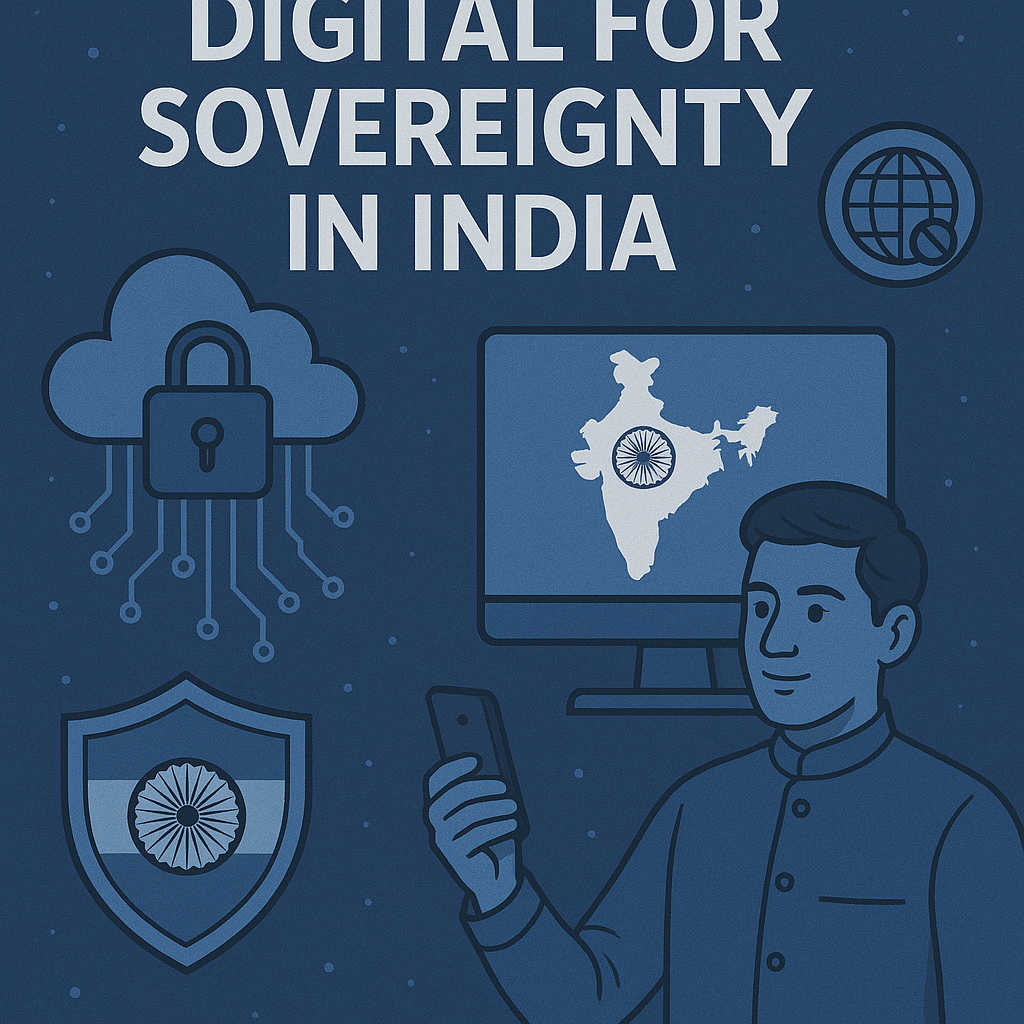
Growing dependence on foreign digital platforms and recent security incidents like the H-1B visa fee shock and Nayara Energy Microsoft blockade highlight India's urgent need to secure technological autonomy, data control, and critical infrastructure independence.
Introduction
Digital sovereignty refers to a nation’s ability to exercise independent control over its digital infrastructure, data, technologies, and cyber ecosystem. For India, digital sovereignty is emerging as a strategic imperative amidst rapid digitisation and external technological dependencies.
Context & Background
India's reliance on foreign digital systems—from operating systems to cloud providers—has exposed vulnerabilities. The Nayara Energy–Microsoft incident and U.S. H-1B visa restrictions highlighted how foreign control over digital levers can affect national security and economic autonomy.
Key Points
- •Foreign Control Over Core Digital Stack: Smartphones run on Android/iOS; PCs on Windows; cloud dominated by AWS/Azure/Google.
- •Geopolitical Tech Dependence: US policy decisions (e.g., H-1B Fee Spike) can indirectly impact India’s tech workforce and economy.
- •Industrial Security Risks: Nayara Energy case showed foreign software providers can unilaterally disrupt services.
- •Strategic Vulnerability: Critical sectors—defence, power grids, telecom, banking—use foreign systems, risking coercive leverage.
- •Digital Data Sovereignty: Vast Indian citizen & enterprise data stored abroad → surveillance & data misuse risks.
- •Innovation Imperative: Over-reliance on services-led IT model has slowed India's development of indigenous tech platforms.
- •National Cybersecurity: Heavy import reliance on cyber tools → limited visibility into backdoors & malware vectors.
- •Digital Public Goods Success: Aadhaar, UPI, ONDC show India can build sovereign digital infrastructure when mission-driven.
Related Entities
Impact & Significance
- •Strategic Autonomy: Independent control over information infrastructure is core to sovereignty in digital era.
- •Economic Resilience: Domestic tech reduces foreign supply-chain & policy shock exposure.
- •Security Confidence: Indigenous cyber stack lowers espionage & sabotage risks.
- •Technological Leadership: India can emerge as a global DPG (Digital Public Goods) leader.
Challenges & Criticism
- •Market Dominance of US Big-Tech: Difficult to replace entrenched OS & cloud platforms quickly.
- •Hardware Dependency: Semiconductors, hardware stack still largely imported.
- •Lack of India-Scale OS & Productivity Systems: BharOS in early stage, needs ecosystem support.
- •Industry Resistance: Private firms prefer US cloud/software due to familiarity & support.
- •Talent & R&D Funding Gaps: Low domestic deep-tech investment and research adoption.
Future Outlook
- •Mission-mode indigenous OS, cloud, cybersecurity stack.
- •Mandatory adoption of sovereign digital platforms in critical infra.
- •India-EU/Japan partnership model to diversify tech reliance from US-China duopoly.
- •Accelerate semiconductor & electronics self-reliance.
UPSC Relevance
- • GS-3: Cybersecurity, IT, Digital Infrastructure autonomy
- • GS-2: Tech diplomacy, Sovereignty
- • Essay: Technology & Independence
- • Ethics: Privacy, Autonomy, Accountability
Sample Questions
Prelims
Digital sovereignty primarily concerns which of the following? 1) Control over national cyber infrastructure 2) Domestic capability for digital public systems 3) Exclusive production of hardware in India
- (a)1 only
- (b)1 and 2 only
- (c)1 and 3 only
- (d)1, 2 and 3
Mains
Digital sovereignty is becoming as critical as territorial sovereignty in the 21st century. Discuss India’s vulnerabilities and strategies to secure digital autonomy.
Introduction:
Digital sovereignty refers to a nation’s independent authority over its digital infrastructure, data, and technologies. In the era of cyber warfare & data geopolitics, technological autonomy defines national power as much as physical borders.
Body:
• India’s Vulnerabilities
- Dependence on foreign OS & cloud
- Foreign control over corporate digital tools
- Strategic sectors on imported systems
- Data stored outside India → surveillance risks
- Weak indigenous industrial software ecosystem
• Consequences
- National security exposure
- Economic leverage by foreign governments
- Digital colonialism & innovation stagnation
- Crisis vulnerability (visa shocks, sanctions)
• Way Forward
- Mission-mode indigenous OS, cloud, chips
- Mandatory adoption in govt infra
- DPG + private-sector collaboration
- R&D tax support; sovereign cybersecurity stack
- Strategic tech alliances with EU/Japan
Conclusion:
Digital sovereignty is not isolation but *strategic autonomy with diversified partnerships*. India must evolve from a software-services economy to a sovereign tech power to secure its future in a multipolar digital world.