
Current Affairs
Monthly Magazines & PDFsArticles
7 Nov 2026 · Indian Polity & Governance
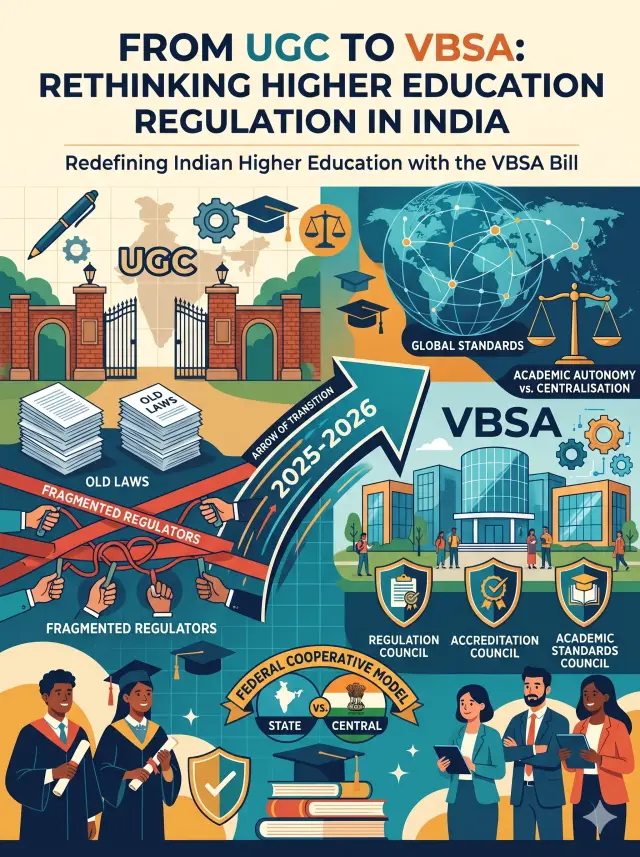
From UGC to VBSA: Rethinking Higher Education Regulation in India
The proposed Viksit Bharat Shiksha Adhishthan (VBSA) Bill, 2025 seeks to replace existing fragmented higher education regulators like the UGC and AICTE with a single, unified apex body. While it aims to streamline approvals and promote multidisciplinary education, it faces criticism over potential over-centralisation and threats to academic autonomy.
7 Nov 2026 · Indian Polity & Governance
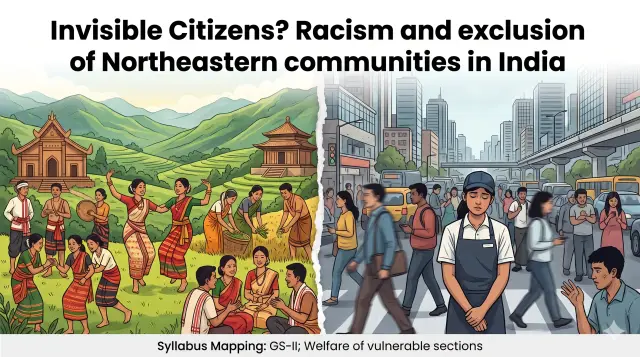
Invisible Citizens? Racism and exclusion of Northeastern communities in India
The MHA has directed NCR cities to appoint nodal officers to address racial discrimination faced by Northeastern communities. This article explores the socio-cultural roots of casual racism, its psychological and physical impacts, and the urgent need for legal, institutional, and educational reforms to protect marginalized groups.
7 Nov 2026 · Indian Polity & Governance
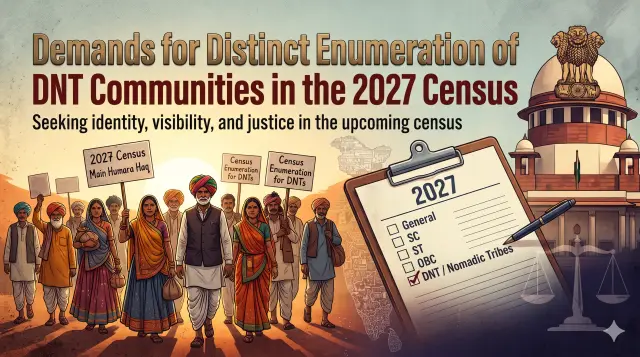
Demand for Distinct Enumeration of DNT Communities in the 2027 Census
Leaders from Denotified, Nomadic and Semi-Nomadic Tribes (DNTs) have approached the Supreme Court seeking distinct identification in the 2027 census. Proper enumeration is critical for designing targeted welfare policies and addressing the long-standing historical marginalization of these communities.
7 Nov 2026 · Indian Polity & Governance
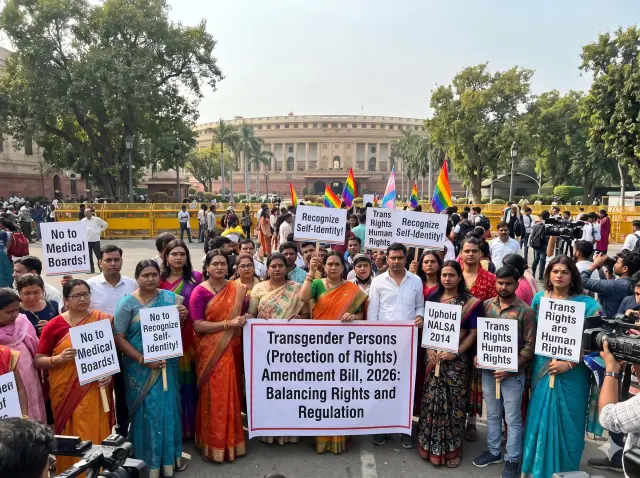
The Transgender Persons (Protection of Rights) Amendment Bill, 2026: Balancing Rights and Regulation
The Union Government has introduced the Transgender Persons (Protection of Rights) Amendment Bill, 2026 in the Lok Sabha. The proposed legislation seeks to alter the definition of a transgender person, eliminate the right to self-perceived gender identity, mandate medical board evaluations, and formalize reporting requirements for sex reassignment surgeries.
7 Nov 2026 · Indian Polity & Governance
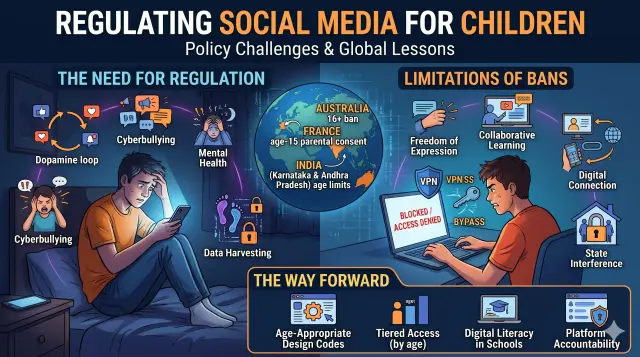
Regulating Social Media for Children: Policy Challenges and Global Lessons
Following announcements by Karnataka and Andhra Pradesh to restrict social media access for minors, debate has intensified over safeguarding children's mental health versus preserving digital rights. This article examines the drivers behind social media restrictions, implementation bottlenecks, international regulatory precedents, and a balanced way forward.
7 Nov 2026 · Indian Polity & Governance
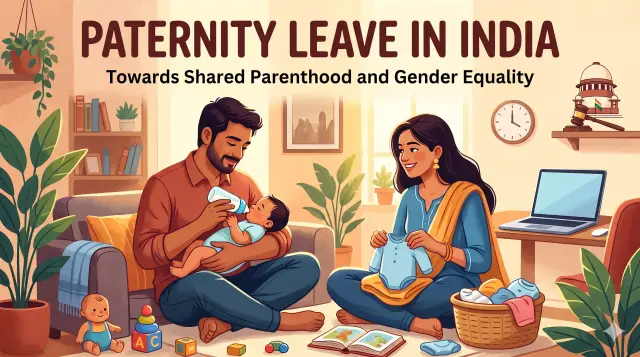
Paternity Leave in India: Towards Shared Parenthood and Gender Equality
The Supreme Court recently removed the age restriction on maternity leave for adoptive mothers, upholding reproductive autonomy. Alongside this, the Court emphasized the urgent need for formal paternity leave laws in India to dismantle gender stereotypes, promote shared caregiving, and ensure workplace equality.
7 Nov 2026 · Indian Polity & Governance
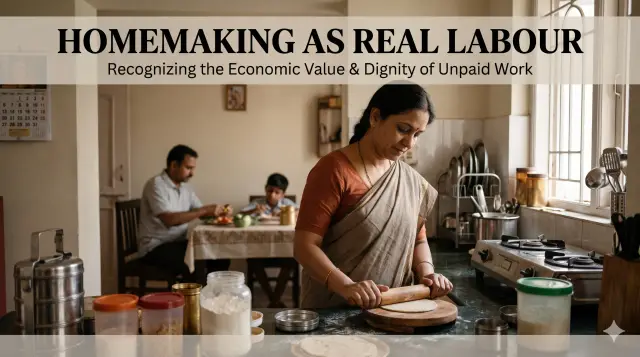
Homemaking as Real Labour: Recognizing Unpaid Work and Financial Rights
A recent ruling by the Delhi High Court (February 2026) recognizes homemaking as productive work that shapes financial rights within marriage, rejecting the notion of an 'idle spouse.' This shift addresses historical gender inequalities and highlights the need for statutory recognition of unpaid domestic labour, which contributes significantly to India's GDP.
7 Nov 2026
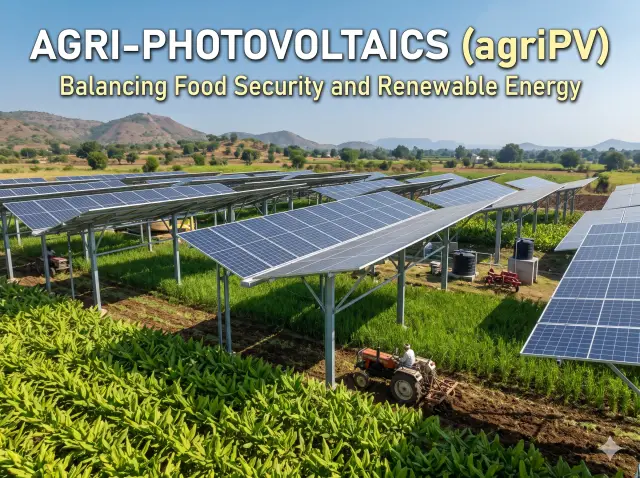
Agri-photovoltaics (agriPV): Balancing Food Security and Renewable Energy
With the 2026-27 Budget increasing the PM-KUSUM outlay to ₹5,000 crore and the proposition of a 10 GW National Agri-photovoltaics Mission, agriPV is emerging as a critical solution to resolve India's land-use conflict between food production and its 300 GW solar target for 2030.
7 Nov 2026
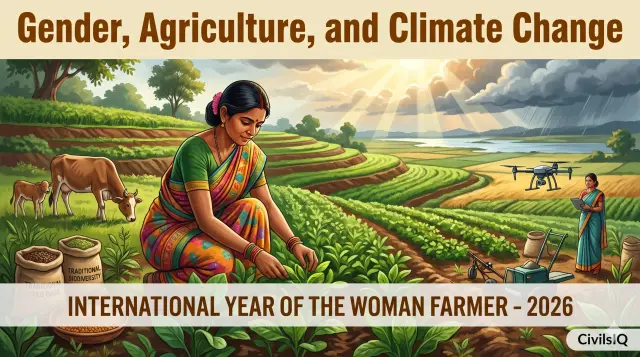
Gender, Agriculture, and Climate Change
With 2026 declared the 'International Year of the Woman Farmer' by the FAO, the intersection of gender, climate change, and agriculture is in sharp focus. While women form the backbone of India's rural economy and agriculture, they face severe challenges including a lack of land rights, wage inequality, and high vulnerability to climate-induced shocks.
7 Nov 2026
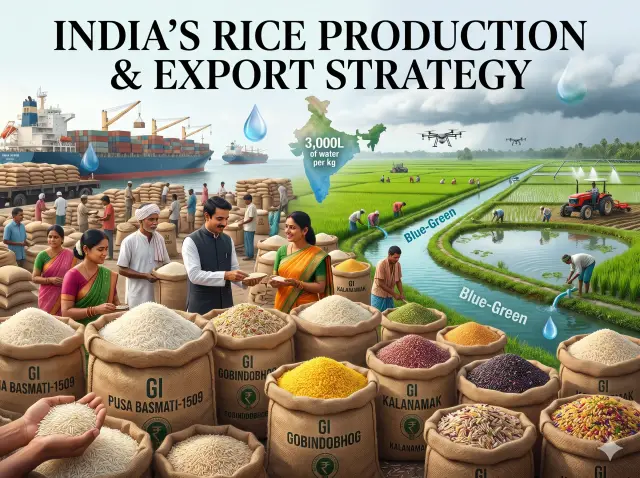
India’s Rice Production and Export Strategy
India emerged as the world's largest rice producer and exporter in 2024–25. However, this achievement hides a massive environmental cost due to the water-intensive nature of conventional paddy cultivation. This analysis explores the hidden 'virtual water' exports, the economic advantage of Basmati over non-Basmati rice, and the systemic shift required for sustainable agriculture.
7 Nov 2026
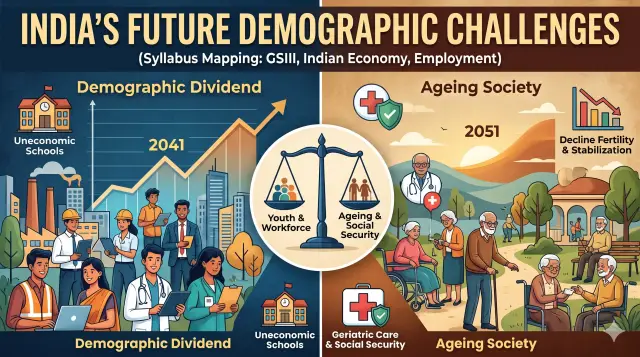
India’s Future Demographic Challenges: Navigating Stabilisation, Ageing, and Policy Shifts
Highlighting findings from the report 'Unravelling India’s Demographic Future: Population Projections for States and Union Territories, 2021–2051', this article examines India's transition away from population explosion toward stabilisation, slower annual growth, and an ageing society. It assesses key impacts on school infrastructure, the closing window of the demographic dividend, the emerging silver economy, and required policy reforms in social security and labour force participation.
7 Nov 2026
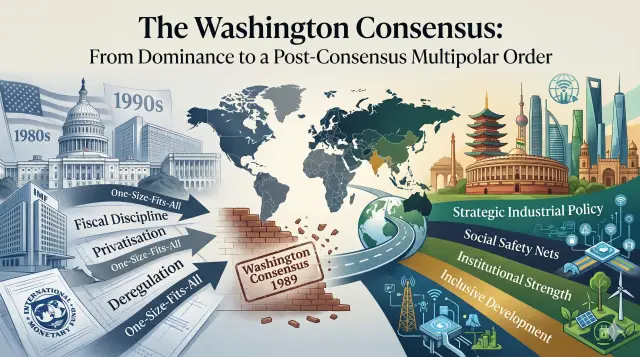
The Washington Consensus: From Dominance to a Post-Consensus Multipolar Order
This article traces the birth, legacy, and decline of the Washington Consensus—a 10-point neoliberal policy framework coined in 1989. It examines the systemic failures of these policies, the ensuing political backlash, and the global shift towards a more context-sensitive, pragmatic post-Washington Consensus in a multipolar world.
7 Nov 2026
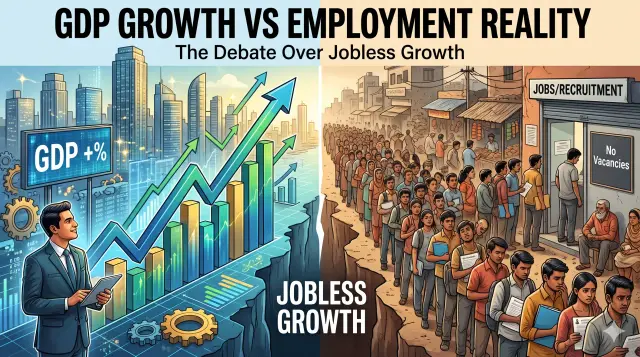
GDP Growth vs Employment Reality: The Debate Over Jobless Growth
The release of a new GDP series using the double-deflation method reinforces India's status as a fast-growing economy. However, economists warn that an overemphasis on GDP numbers masks a persistent unemployment crisis, particularly among the youth, highlighting the phenomenon of 'jobless growth'.

5 Nov 2026
Electric Cooking in India: Energy Transition, Import Resilience, and Grid Dynamics
With India spending $26.4 billion annually on LPG and natural gas imports amid growing geopolitical exposure, electric cooking has emerged as a cost-effective and energy-efficient alternative. However, large-scale domestic adoption hinges on managing peak grid stress through rooftop solar integration, automated demand response, and localized energy trading.
5 Nov 2026
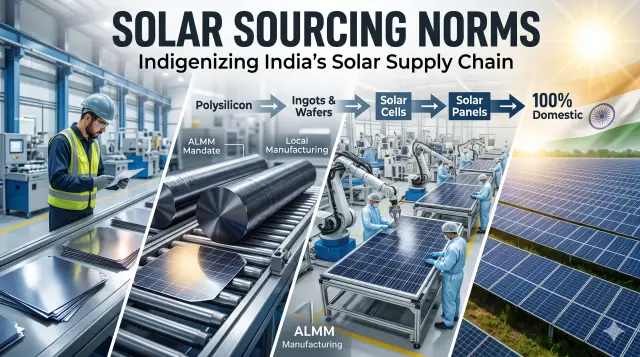
Solar Sourcing Norms: Indigenizing India's Solar Supply Chain
The Indian government has expanded its domestic sourcing mandate for solar equipment to include upstream components like wafers and ingots, effective from June 2028. Enforced via the ALMM framework, this mandate aims to cut extreme import reliance and build an end-to-end, self-reliant solar manufacturing ecosystem in India.
5 Nov 2026
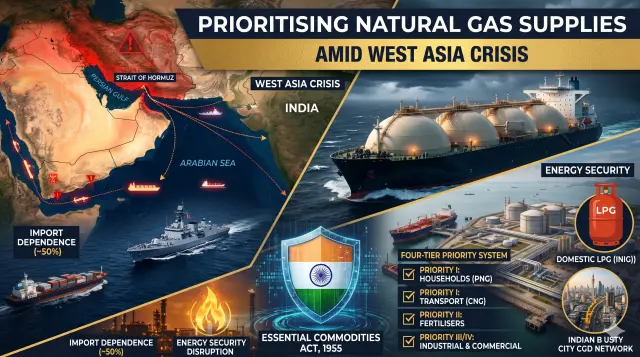
Prioritising Natural Gas Supplies Amid West Asia Crisis
Amid maritime trade disruptions in the Strait of Hormuz due to the ongoing West Asia conflict, India's LNG supplies have faced a severe supply shock. In response, the Government of India invoked emergency powers under the Essential Commodities Act, 1955 to enforce a four-tier gas rationing framework, protecting domestic and transport sectors while curbing supplies to non-priority industries.
5 Nov 2026
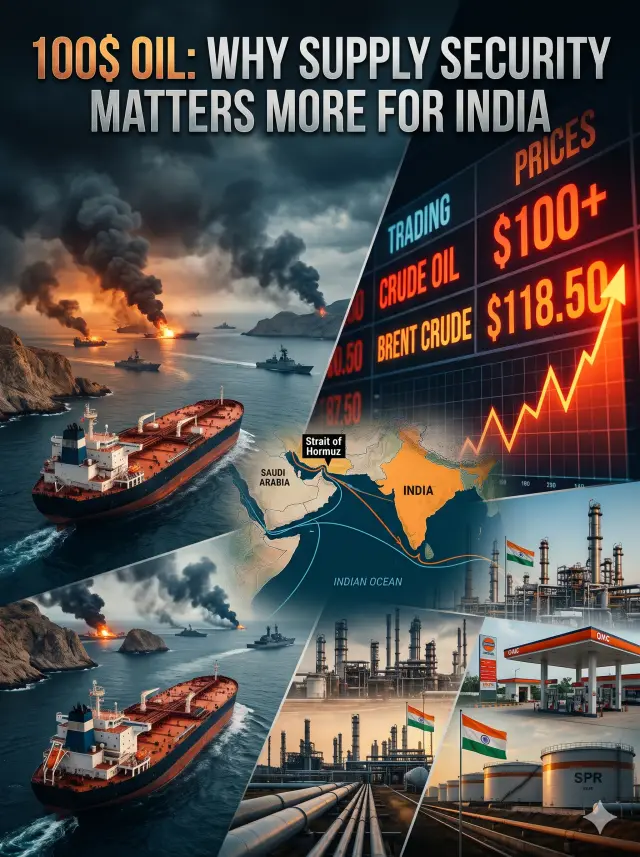
$100 Oil: Why Supply Security Matters More for India
Crude oil prices spiked past $100 per barrel following geopolitical escalation in West Asia and near-total disruption in the Strait of Hormuz. For India, which imports over 85-88% of its crude requirements, safeguarding immediate physical energy supply has overtaken retail price stability as the primary economic imperative.
5 Nov 2026
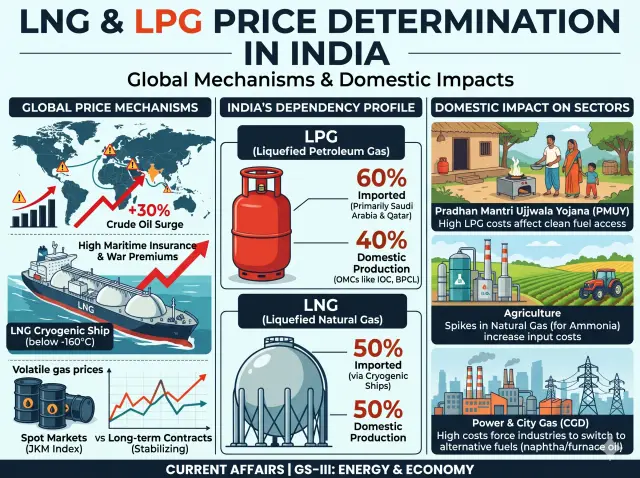
LNG and LPG Price Determination: Global Mechanisms and Indian Impacts
Amidst the ongoing West Asia conflict in March 2026, global crude oil prices surged by nearly 30%, directly inflating LNG and LPG costs. This article explores the mechanisms for pricing these energy resources, their dependence on crude oil indices, and the severe economic implications for India's energy, agriculture, and social welfare sectors.
5 Nov 2026 · Economics
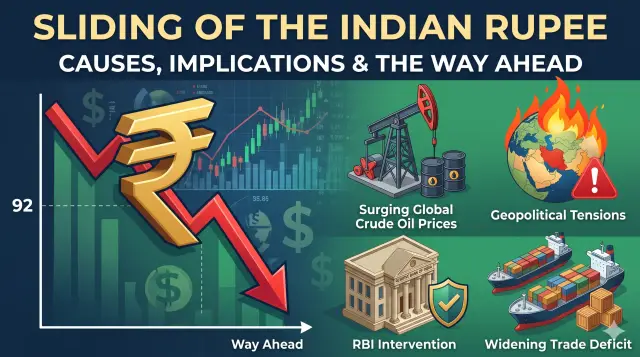
Sliding of the Indian Rupee: Causes, Implications, and the Way Ahead
In March 2026, the Indian Rupee breached the psychologically crucial 92-mark against the US Dollar. Driven by geopolitical tensions in West Asia, surging global crude oil prices, and a widening Current Account Deficit (CAD), this depreciation threatens India’s inflation targets and current account stability.
5 Nov 2026 · Economics
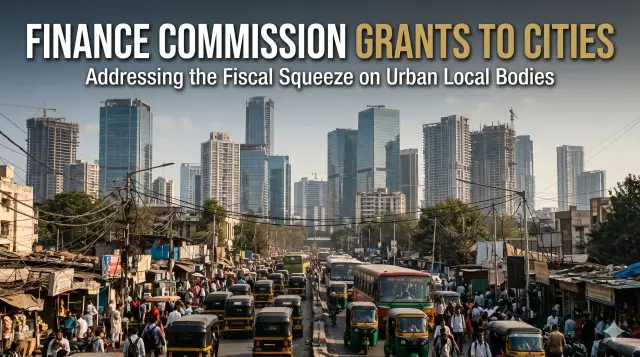
Finance Commission Grants to Cities: Addressing the Fiscal Squeeze on Urban Local Bodies
Despite Indian cities generating around 67% of the nation's GDP and nearly 90% of government revenue, fiscal transfers to Urban Local Bodies (ULBs) remain incredibly modest at roughly 0.13% of GDP. This analysis explores the 16th Finance Commission's allocations, the challenges of tied grants, underutilization of funds, and the urgent need for fiscal decentralization.